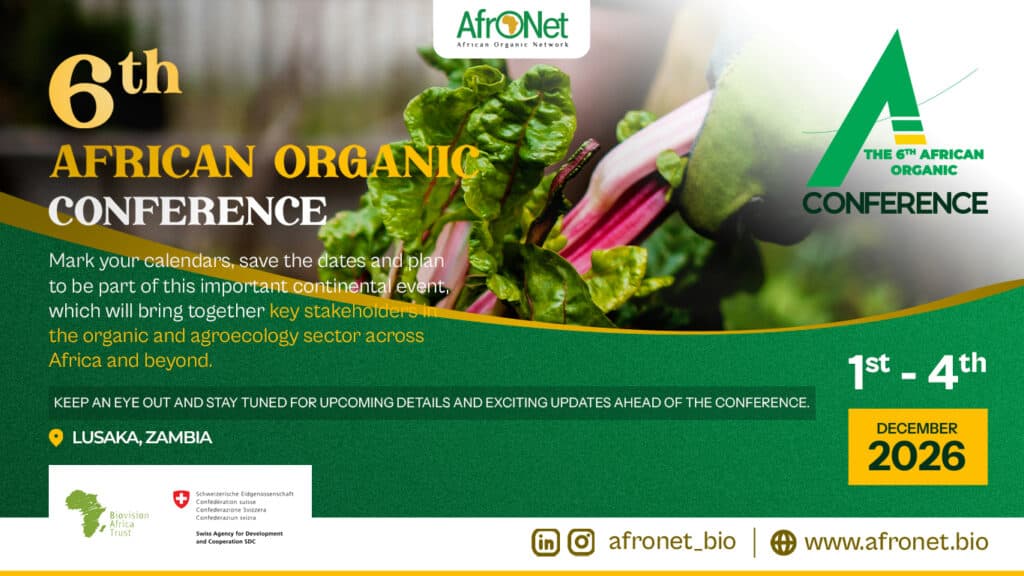

As global markets tighten their standards, African organic producers stand at a crossroads. The recent shift in European Union organic regulations presents both a hurdle for certification and an unprecedented opportunity for African harmonized standards to take center stage.
The Shift in Global Standards
For over a decade, African organic trade has relied on a patchwork of equivalency agreements. However, as noted in recent policy dialogues, the push for more rigorous oversight from the EU means that “business as usual” is no longer an option. AfrONet, in collaboration with IFOAM – Organics International, is leading the charge to ensure that African National Organic Agriculture Movements (NOAMs) are not left behind.
Why Equivalency Matters
Without a unified continental standard, smallholder farmers face the “double-tax” of certifying for multiple international markets. AfrONet’s advocacy focuses on:
- Harmonization: Creating a single African Organic Standard that the EU recognizes as equivalent.
- Cost Reduction: Moving away from expensive third-party European certifiers toward local, African-led certification bodies.
- Trade Facilitation: Leveraging the African Continental Free Trade Area (AfCFTA) to ensure organic goods move as freely within Africa as they do to Europe.
A Call for Policy Advocacy
AfrONet has developed specialized resources targeted specifically at policy advocates. These tools are designed to help local governments understand that organic agriculture is not just a “niche market”—it is a strategic export sector that requires dedicated regulatory frameworks to thrive in the face of EU changes.